

RESEARCH
International research from the epicenter of war
Ukraine is currently the world’s largest laboratory for studying the psychological effects of war. We are turning the experience of Ukrainian transgenerational trauma into science.
RESEARCH
International research from the epicenter of war
Ukraine is currently the world’s largest laboratory for studying the psychological effects of war. We are turning the experience of Ukrainian transgenerational trauma into science.
The data we are collecting today amid active hostilities could never be gathered in peacetime. This is a unique scientific opportunity. And we cannot afford to let it slip by
Trauma doesn’t fade with time
Trauma is passed on—to the bodies, behaviors, and relationships of the next generation. This is a clinical reality confirmed by epigenetics, neurobiology, and family systems theory.
Full-scale war is creating an unprecedented wave of new trauma right now. Millions of families—those with fallen loved ones, prisoners of war, veterans with PTSD, and displaced persons—are already bearing this burden. And they are passing it on without realizing it.
We are studying transgenerational trauma in the midst of a full-scale war—an opportunity that no trauma researcher has ever had in peacetime.
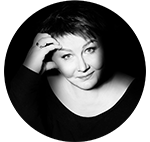
Tetiana Stanislavska
Proven. Published. Ongoing.

01 / HITT-Q: a diagnostic tool
Questionnaire on the Intergenerational Transmission of Historical Trauma · Ukrainian Adaptation 2025 · Validated
HITT-Q is the first scientifically validated Ukrainian-language instrument for measuring transgenerational trauma. Adapted and validated by the founder of the War Psychotrauma Institute, Tetiana Stanislavska, in co-authorship with Doctor of Psychological Sciences, Professor Kateryna Miliutina.
The cross-cultural study encompasses samples from Ukraine, Hungary, Bulgaria, Romania, Czech Republic, Slovakia, Italy, and the Caribbean region.

02 / Dissertation Research and Peer-Reviewed Publications
HITT-Q Adaptation — methodology and psychometric properties of the Ukrainian-language version. DOI: 10.48020/mppj.2025.02.11
HITT-Q Factor Structure — results of factor analysis on the Ukrainian sample.
DOI: 10.51647/kelm.2025.5.9
Cross-cultural Comparison — Ukraine and Hungary. DOI: 10.32782/hbts.77.1.4
Three surveys — for civilians and military personnel living in Ukraine. All forms are in Ukrainian. If you have friends, colleagues, or Ukrainian military units you support during the war — please share this link with them:
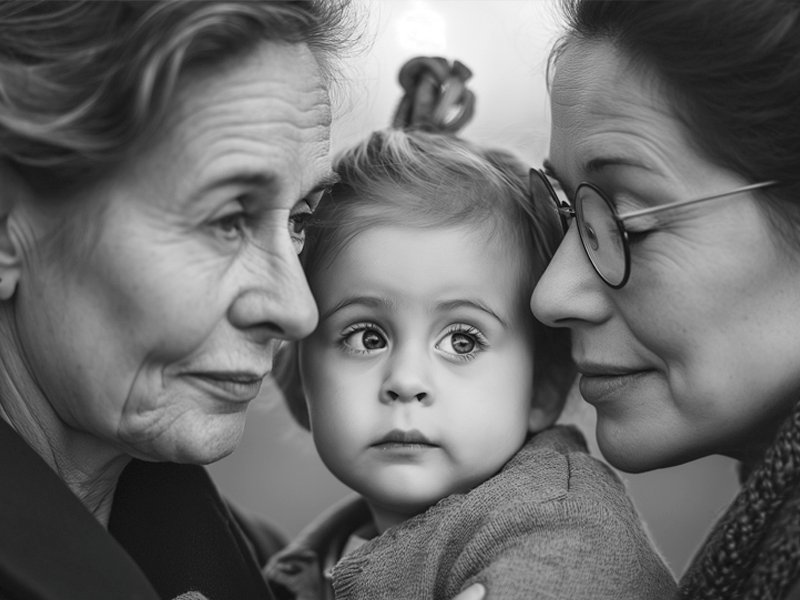
HITT-Q
(for psychotherapy clients)
A foundational study on how family history shapes who you are today.
The HITT-Q measures how collective upheavals passed down through generations — Holodomor, repression, wars, forced displacement — continue to shape the present.
For anyone who wants to understand their own roots.
10 questions – demographic;
65 questions – HITT-Q.
⏰10–15 min.
[take the survey in Ukrainian]
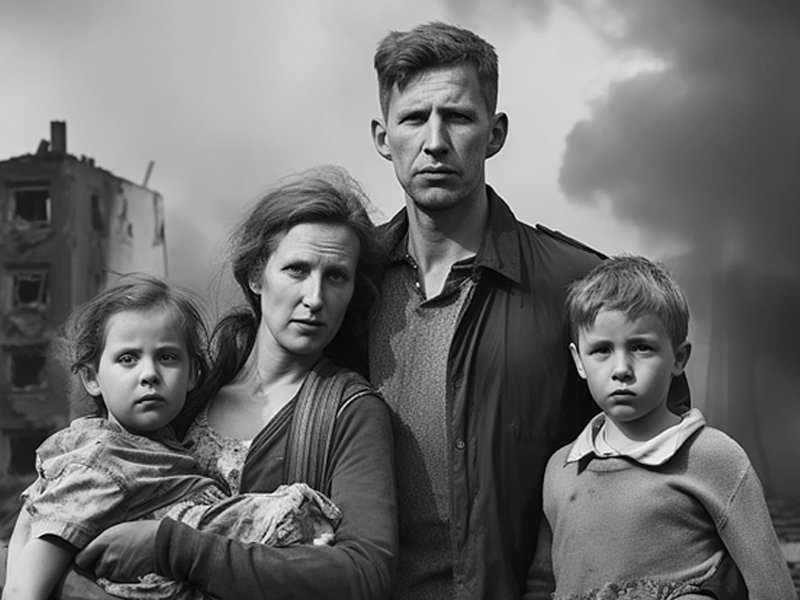
HITT-Q + Stress Coping Strategies
(for civilians)
Transgenerational experience and the strategies you use to cope with stress in wartime.
The combination of HITT-Q and the internationally validated SACS questionnaire allows both dimensions to be explored at once.
10 questions – demographic;
65 questions – HITT-Q;
54 questions — SACS (Stress Coping Strategies).
⏰20–25 min.
[take the survey in Ukrainian]
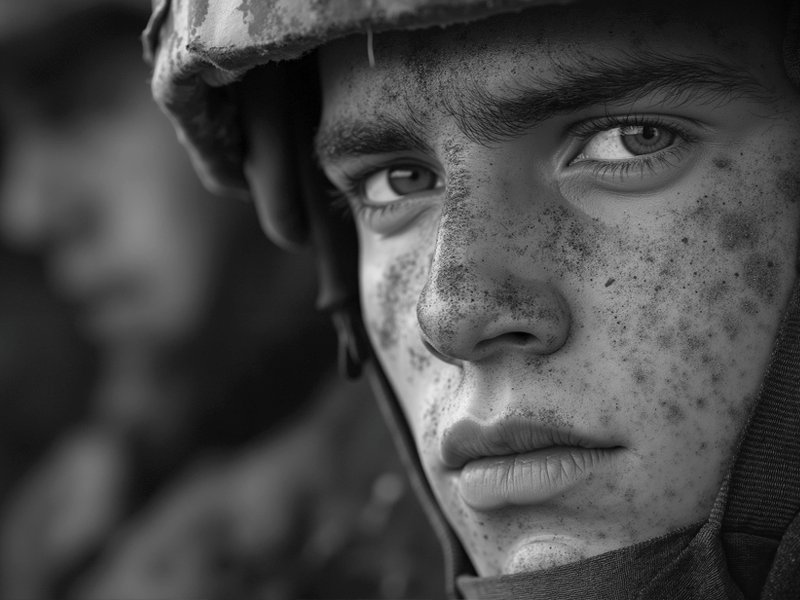
HITT-Q + Military Scale
(for combatants and veterans)
Combat experience and family history — how are they connected?
The combination of HITT-Q and a validated Ukrainian military psychological assessment tool provides a unique clinical profile.
10 questions – demographic;
4 questions – military-specific;
65 questions – HITT-Q;
16 questions – Negative Psychological Reactions and States Scale.
⏰15–20 min.
[take the survey in Ukrainian]
We are open to various forms of collaboration
Institutional partnership: joint research, data sharing, integration of HITT-Q into academic programs. Expert collaboration: participation in the scientific board, peer review, supervision. Financial support: grant or direct contribution to the research.
This research needs support.
If you are a donor, foundation, or academic institution — we are ready to talk.
warpsychotrauma@gmail.com +380 68 95 92 911


